Ahoy everyone!
Welcome to our latest developer journal! This time, we’re taking a look back over the past year, and ahead to what’s coming next. We want to thank all of you for being such a huge part of our 2025, and we hope we can all share in a fantastic 2026 together.
Last year was an incredibly important moment for the team and for the project. We crossed many milestones, both as a community and internally within production. While not everything went quite as planned, we begin the new year with renewed confidence and a clearer road ahead towards Sea Trials and Arena beyond.
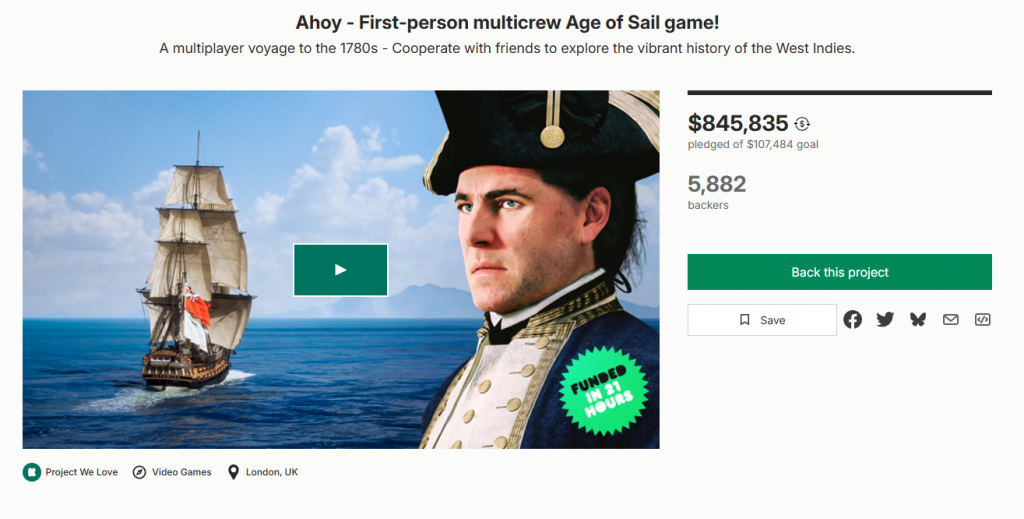
Firstly, we wanted to pull back the curtain a little and give you a proper look back at the Kickstarter campaign we ran last year. How it helped Ahoy, and some of the unexpected outcomes that came with it.
It’s fair to say that Kickstarter was never part of our original plan for Ahoy. In fact, we’d long held a fairly negative sentiment towards crowdfunding the project at all. The intention was always to secure funding through other means, whether that be through the heritage and educational aspects of the project, or more traditional games industry funding.
Of course, as I’m sure many of you are aware, the games industry has gone through some of the toughest years on record. Layoffs, investor pull-outs, studio closures. It’s been a devastating landscape, and finding traditional funding for an ambitious and largely untested concept like Ahoy simply wasn’t possible. Maybe that would have been easier with the vote of confidence and clear support you’ve shown since, but standing here now on the other side of the campaign, it genuinely feels great to be community funded and community driven above all else.
We’re all looking for the same thing, and it’s an absolute joy for us to be chosen by you to bring it to life.
Looking back, there were certainly aspects of the process that didn’t go to plan. I think it’s always important to talk about successes and failures in equal measure, and one thing we definitely underestimated was the amount of bureaucracy involved in releasing and taxing the funding after the campaign. That created a significant delay, as it took much longer than expected to confirm budgets for the year ahead.
Not knowing exactly how much funding would be available, when it would land, or what the business cashflow would realistically look like meant we couldn’t immediately hire new roles or make firm commitments with the existing team. The campaign launched in June, but it wasn’t until late September that we finally had the clarity needed to make many of those decisions. Losing almost two months like that was deeply frustrating, and in hindsight it took some of the initial celebration out of the experience for me personally. While it comes with the role I have at Capstan, I signed up to make games, not untangle complex tax law!
That frustration aside, it was an absolute pleasure to reach a point where we could agree on ongoing payment for the existing team and begin expanding. We’ve built a genuinely wonderful group of people at Capstan. Every single person is deeply passionate about the vision we’ve set out, and that really is the best part of this whole process. Talented creatives getting to do what they love. We need more of that now than ever. Less AI slop, more creative talent! Alright, soapbox away!
Through August and into September, much of our time was spent getting the team into a fully operational state from a financial and organisational perspective. As of today, there are 25 people working on Ahoy. In line with our commitment to historical accuracy, 9 specialist advisors support the project across various disciplines.
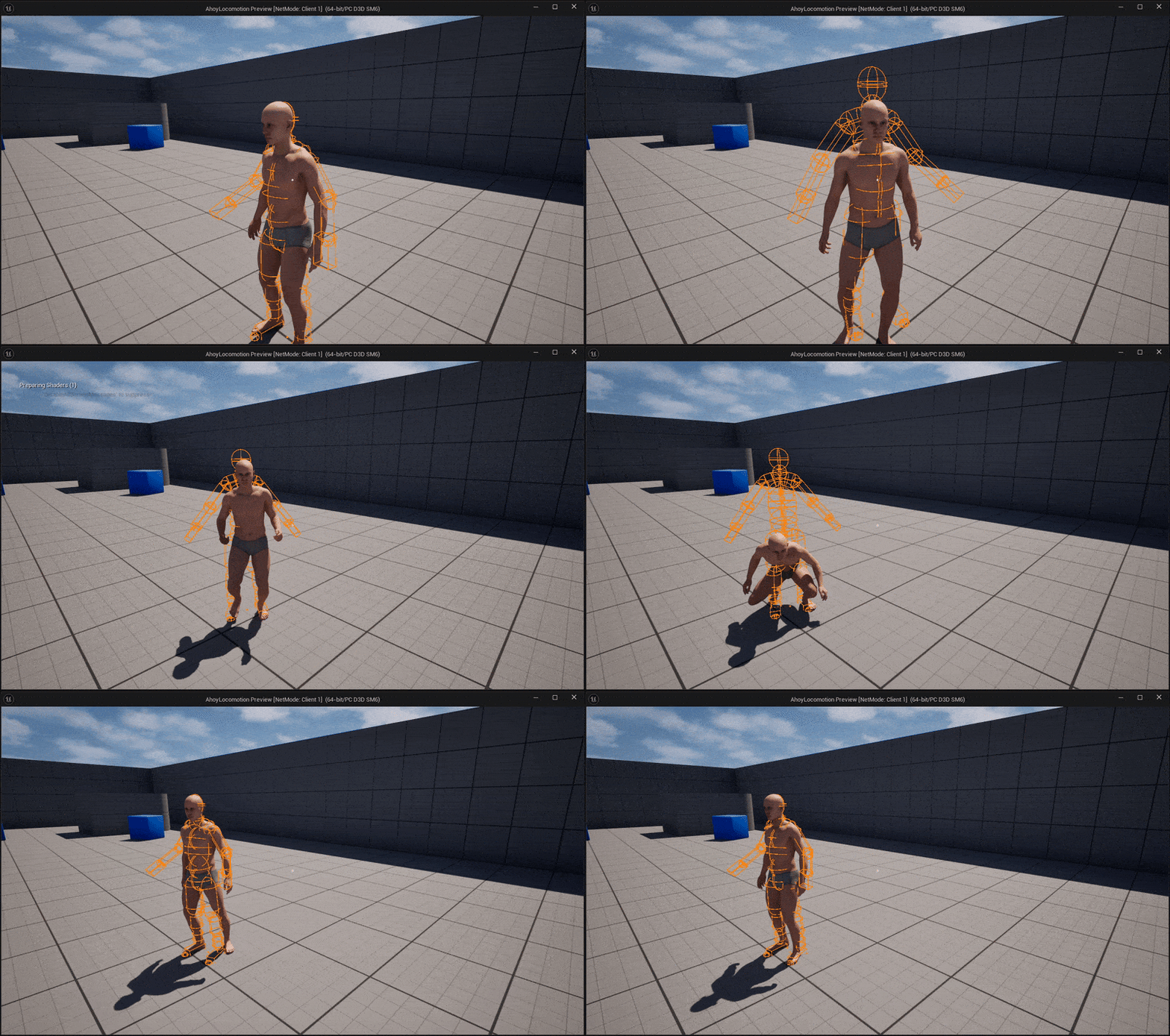
While work was still progressing during and immediately after the Kickstarter campaign, development really began to accelerate in October. The delivery and setup of our performance capture space, the onboarding of two programmers, and the ability to focus properly on game feel, especially locomotion, has been a huge step forward.
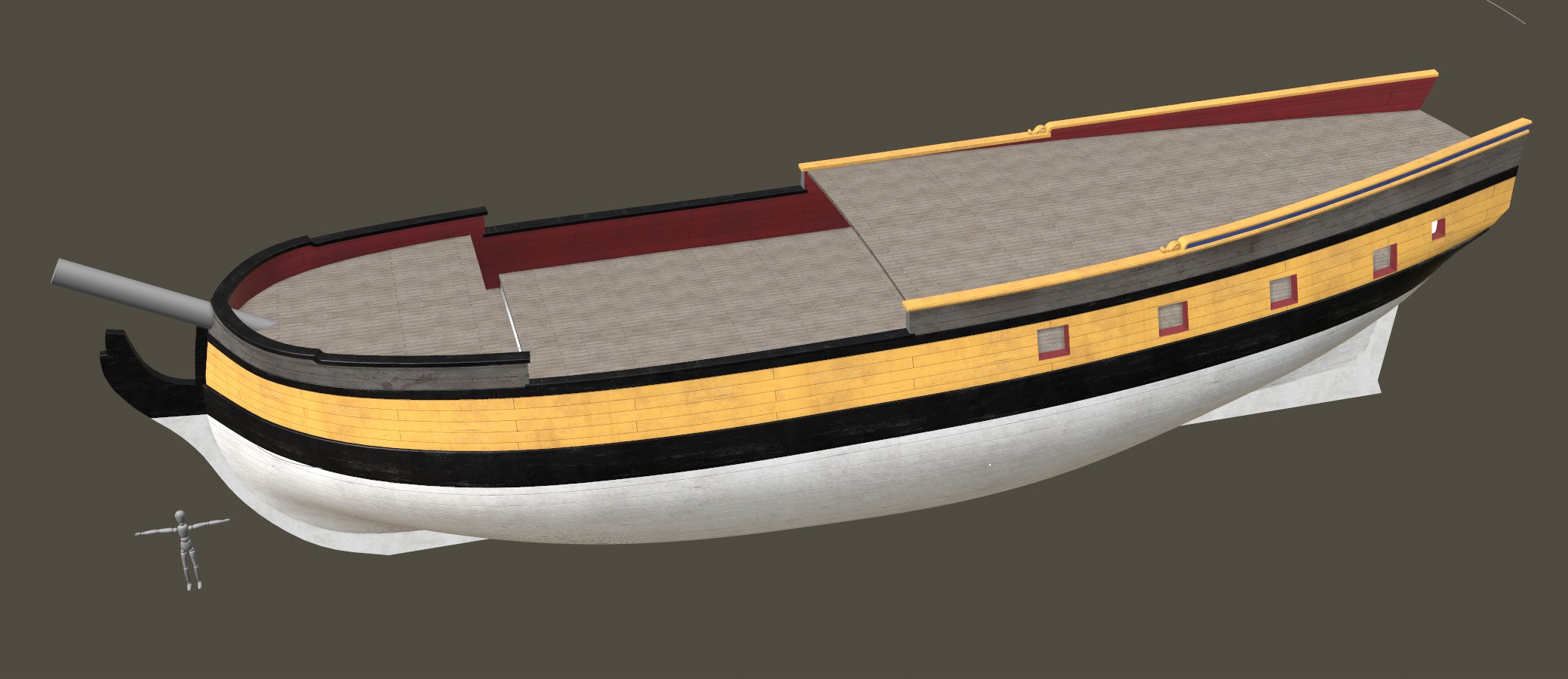
We also made some exciting breakthroughs on one of our long-standing challenges: the ship’s dynamic rigging systems. We’re planning a proper deep dive on that quite soon. Beyond that, there’s been a lot happening behind the scenes that we’ve intentionally kept quiet. Transparency is important to us, but it does make it hard to keep surprises.
That said, I’m incredibly excited about the work coming together internally over the next few weeks, and you’ll undoubtedly start to see the result of those efforts take shape with the release of Sea Trials.
Sea Trials has been a major internal focus over the past few months, and we wanted to give you a clear update on where that work is headed.
At a high level, Sea Trials is doing exactly what it was designed to do for us. It’s giving us a contained set of features to focus, iterate and validate assumptions on before we open things up more broadly in Arena and the hopeful Open World. A huge amount of work has gone into stability, usability, and making sure the experience actually reflects the foundations we want Ahoy to be built on.
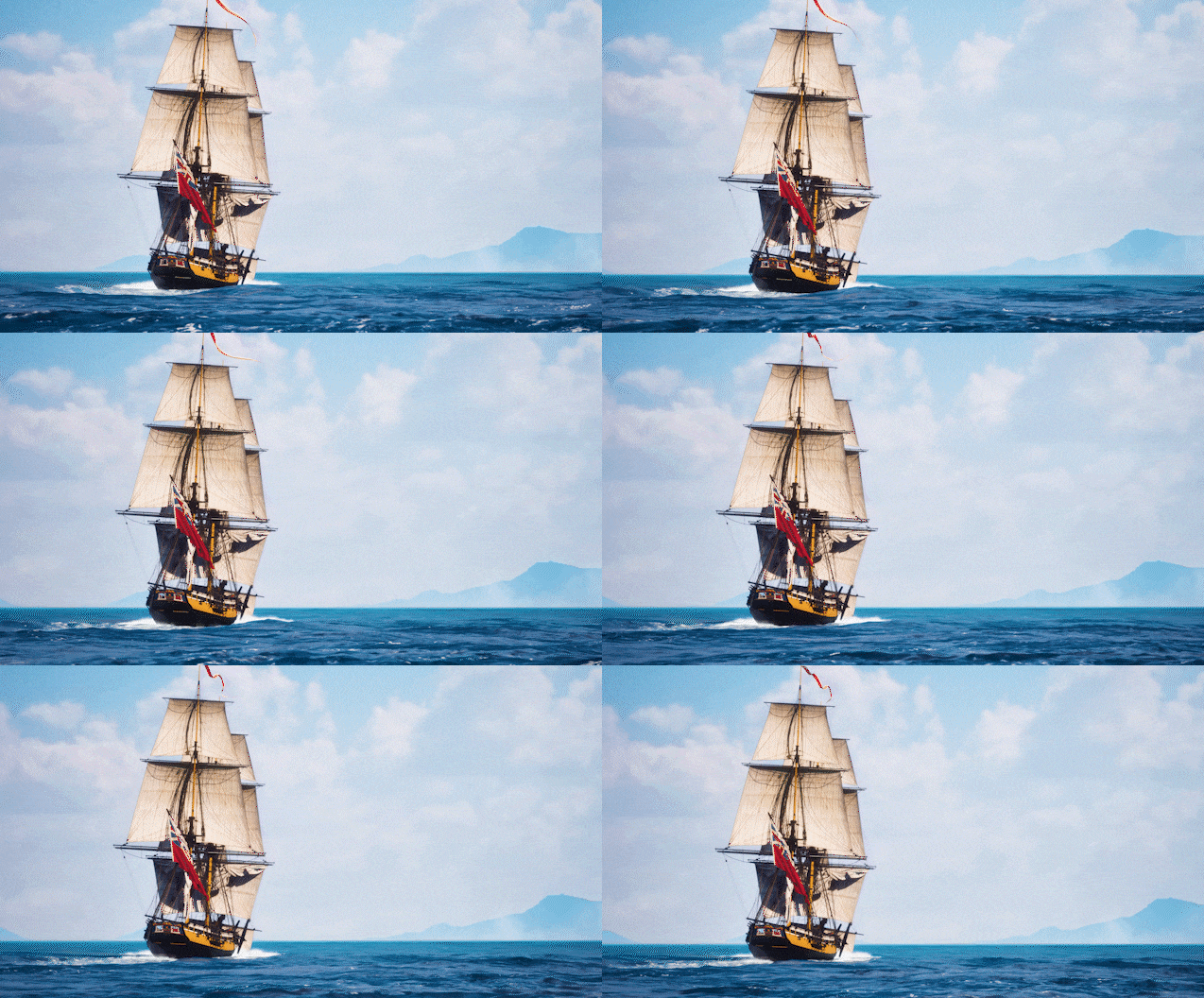
This has also meant stripping out some previous work we did over the years and replacing it with much more robust implementations. This can sometimes feel like taking a step backward, but it really is a necessity for a project like Ahoy which aims to provide a stable experience for many years to come.
That’s the largest challenge – We’re building completely new, bespoke systems for Ahoy. Nothing is cookie-cutter or available to purchase off the shelf. Unreal Engine affords us a lot of space to explore in the graphical department, but it doesn’t provide existing systems for complex sailing physics, reactive wind, dynamic weather, ship destruction, endless oceans and so on.
That means a lot of what we’re building is both completely new, and completely foundational to the rest of the production. There are absolutely faster ways we could build certain systems, but building them the right way now will pay dividends in the future by reducing the likelihood that entire features need to be ripped out and replaced.
Many systems that fall into this category are things you might not even consciously consider in the grand scheme of the game. A good example of this is camera stabilisation for our first person perspective, which exists to help mitigate both seasickness and more general motion sickness during extreme animation or ship-based movement.
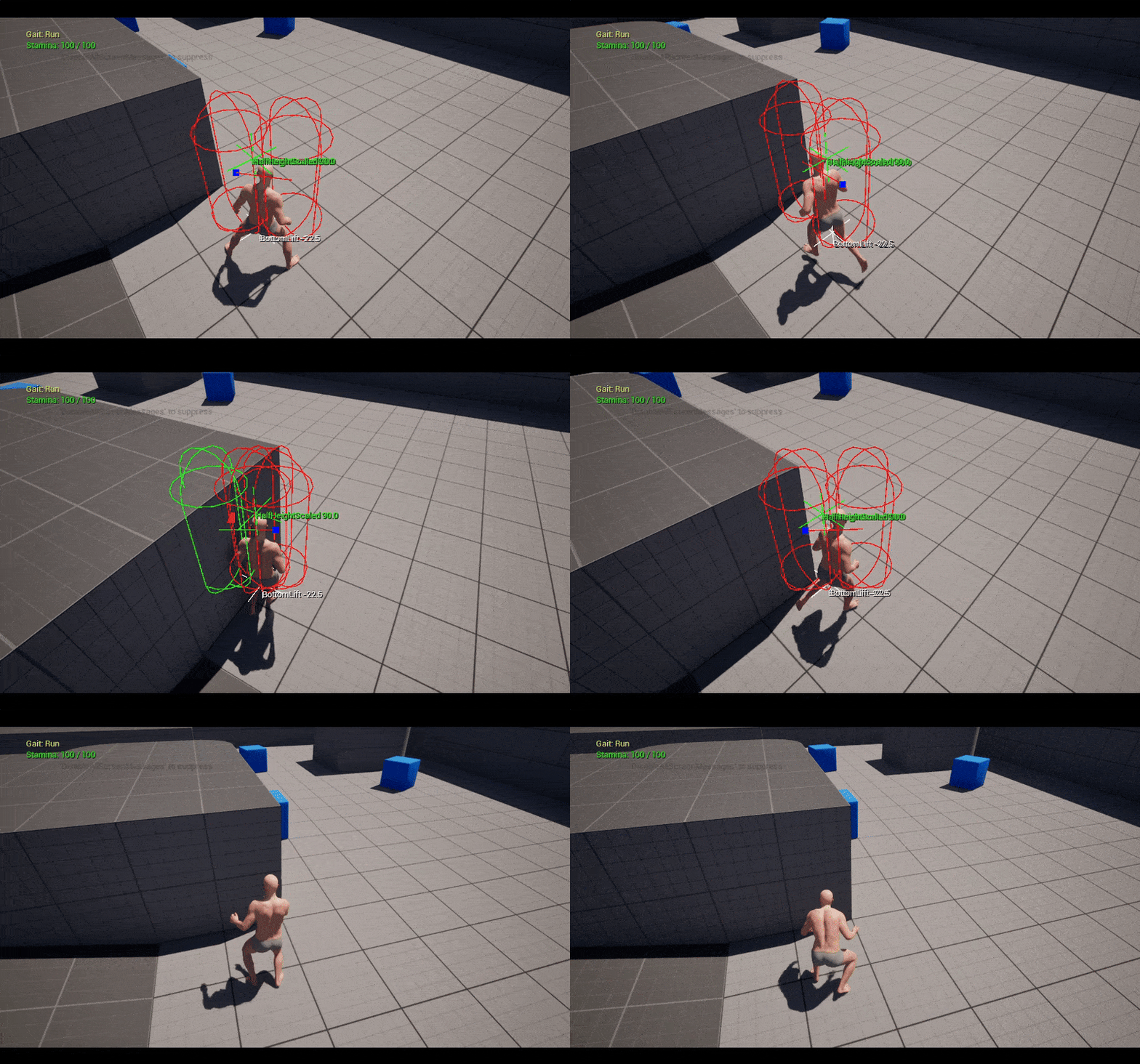
When you move around in a game, especially in first person, there is a surprising amount of motion happening under the hood. Character locomotion, animation blending, ship movement, wave simulation, collisions, and procedural sway all contribute their own influence. If left unchecked, all of that motion quickly stacks up into something that feels jittery, uncomfortable, or outright disorienting.
In Ahoy, this challenge is amplified further. Players are frequently moving on unstable platforms, ships in heavy seas, uneven terrain, narrow interiors, or crowded decks. Simply attaching the camera rigidly to the character’s head would be technically correct, but it would not feel good to play.
At a high level, the system works by separating what the character’s body is doing from what the player’s view should feel like.
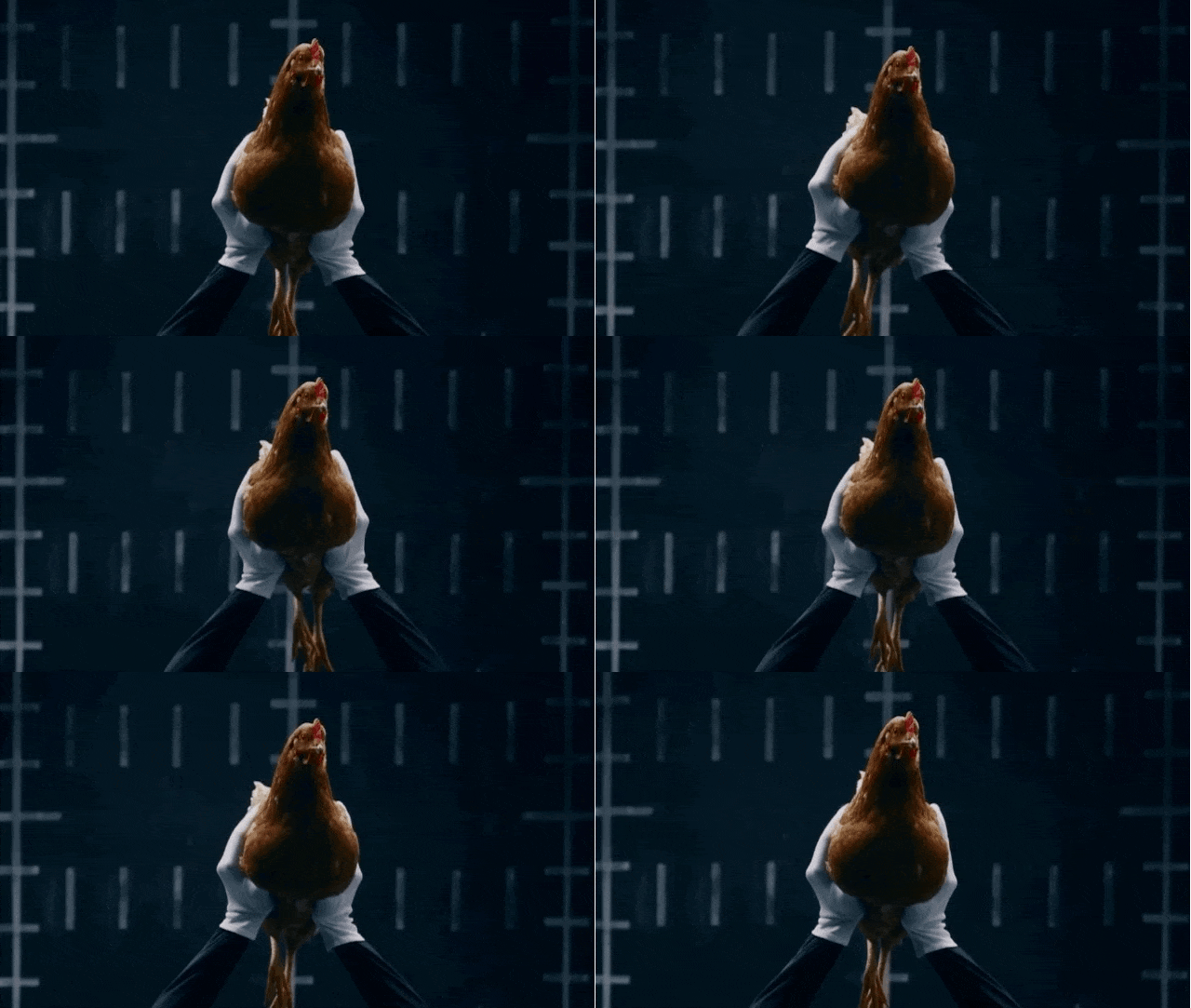
Rather than locking the camera directly to the head, we maintain a smoothed anchor point that slightly lags behind the camera. This anchor acts as a stabilised reference instead of a fixed attachment. From there, we compute a virtual “tether” between the character’s head and that anchor. This tether follows movement but naturally decays over time, absorbing a large amount of unnecessary motion before it ever reaches the player’s view.
That tether is then constrained within both soft and hard radius limits. Within the soft range, movement is gently dampened. Beyond that, stronger correction is applied to prevent extreme offsets. This gives us a defined motion envelope where the view can move naturally without becoming chaotic or uncomfortable.
This is where our vision stabilisation system comes in.
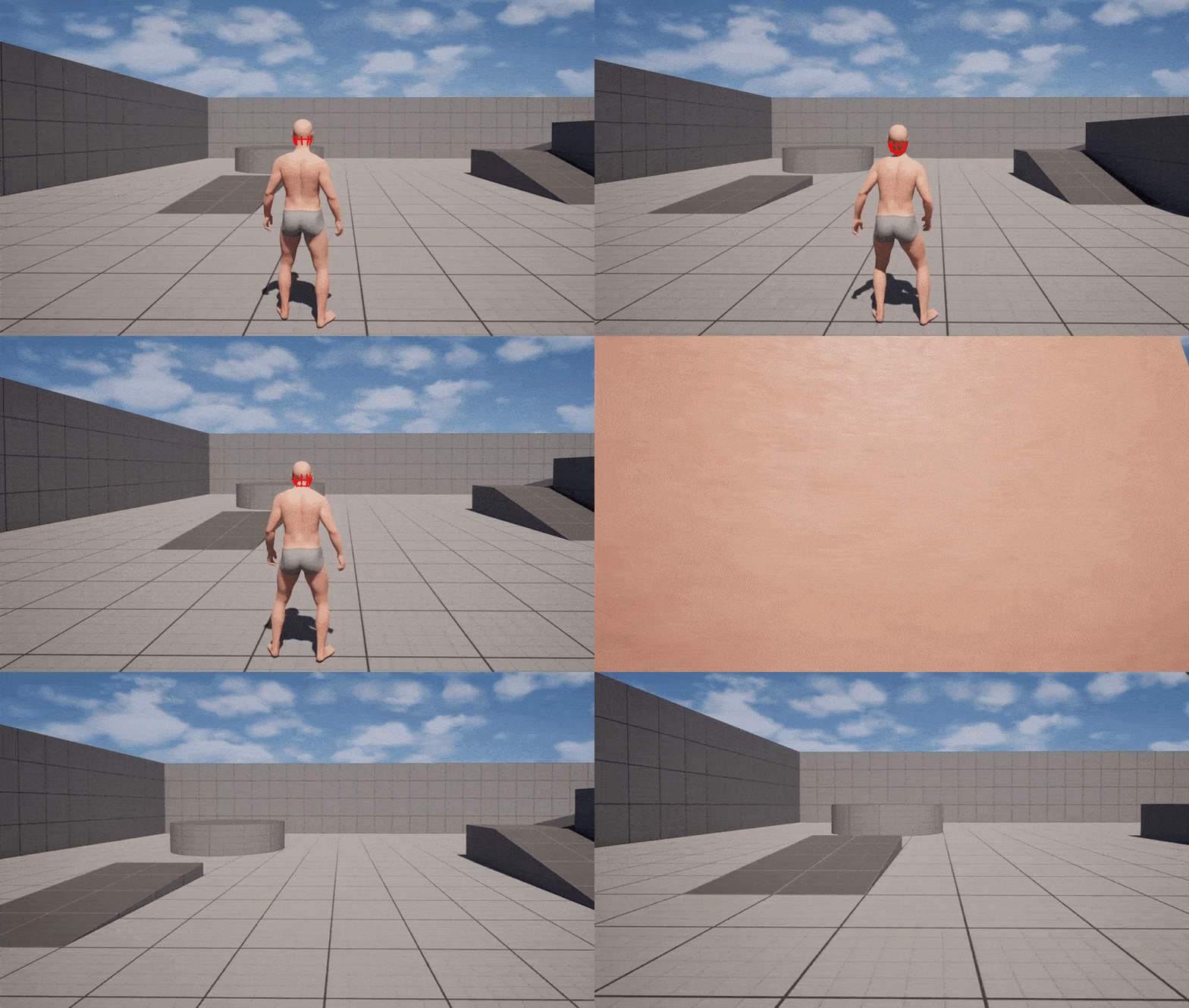
Working on these systems in isolation often mean they’re harder for us to show off. Showing this kind of work-in-progress footage, where we’re using placeholders and unfinished work is a hard one for the artists to get used to!
There are quite a few steps involved in a system like this, and often the final result aims to be entirely invisible to you, the player. But they will go on to play a huge role in how Ahoy feels moment to moment, especially in the kinds of dynamic, physically driven environments the game is built around.
Speaking of challenging systems, one other major change we’ve made recently is a move away from the older Landscape system provided by Unreal Engine.
Landscapes are what represent terrain in most games, and it’s something we’ve explored previously during development on Port Royal. While the system has served the engine well for many years, it’s beginning to show its age. As our ambitions for Ahoy have grown, we were increasingly running into limitations around world scale, complexity, optimisation, and the level of detail we wanted to achieve.
As part of preparing the project for the long term, we’ve decided to adopt a piece of technology we’re very excited about: Voxel Plugin.
At its core, Voxel Plugin allows terrain to be represented volumetrically rather than as a single continuous surface. This opens the door to a huge range of possibilities, from using real-world seabed data to distinguish between sand and broken shell, to taking advantage of fully three-dimensional terrain to create caves, cliffs, and natural landmarks that simply aren’t possible with traditional heightmap-based systems.
While the feature set of Voxel Plugin is vast, our primary focus has been on its more efficient, stamp-based workflow. Each area of terrain is represented by a stamp containing height data sourced from LiDAR, satellite imagery, or 3D scan datasets. This allows us to cover extremely large areas far more efficiently than before, while maintaining a very high level of fidelity.
To put this into perspective, a landmass the team is currently working on would have occupied roughly 1GB of disk space using Unreal’s Landscape system. With our new workflow, that same area now requires around 180MB, with no loss in quality, improved performance, and access to all the additional benefits that voxel-based terrain provides.
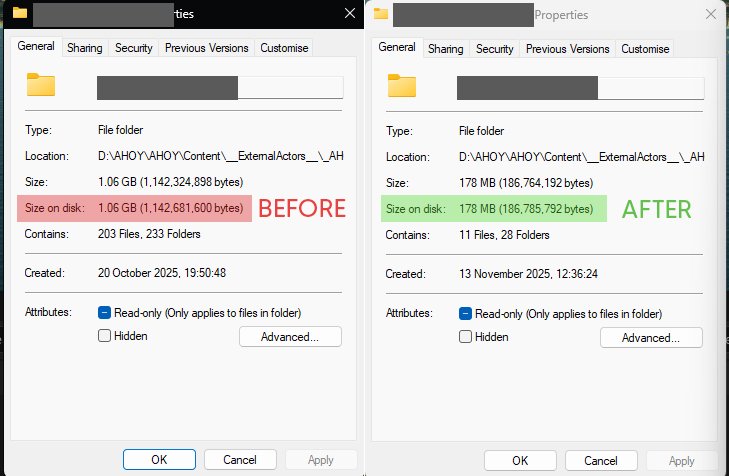
It’s genuinely been a force multiplier for us. We’ve gone from questioning whether the open world we had planned was even technically feasible, to joking about who would be brave enough to walk from Florida to Trinidad at true 1:1 scale. It’s vast, and it’s already prompting interesting long-term design questions around travel and scale that we’ll be thinking about carefully as the project evolves.
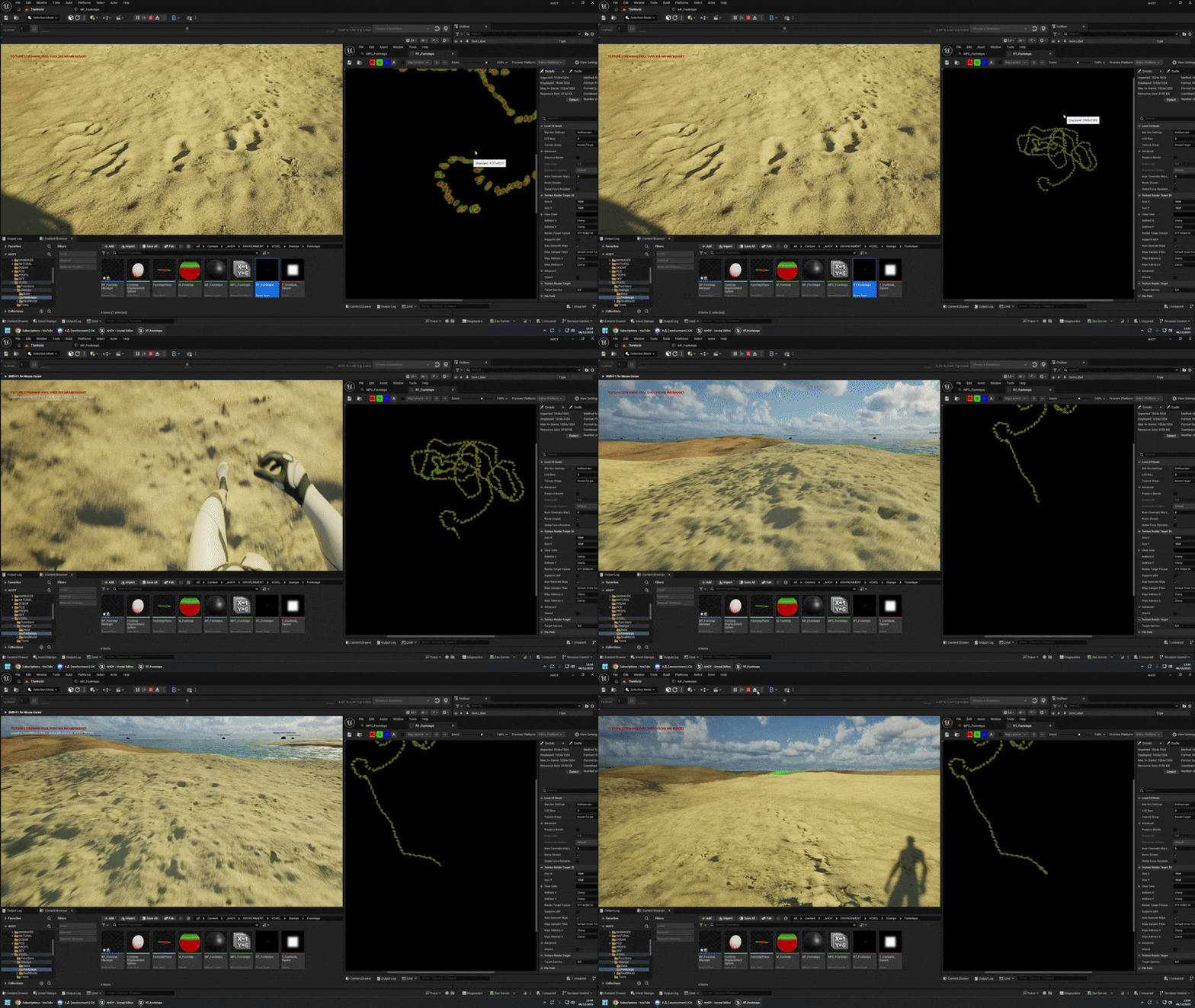
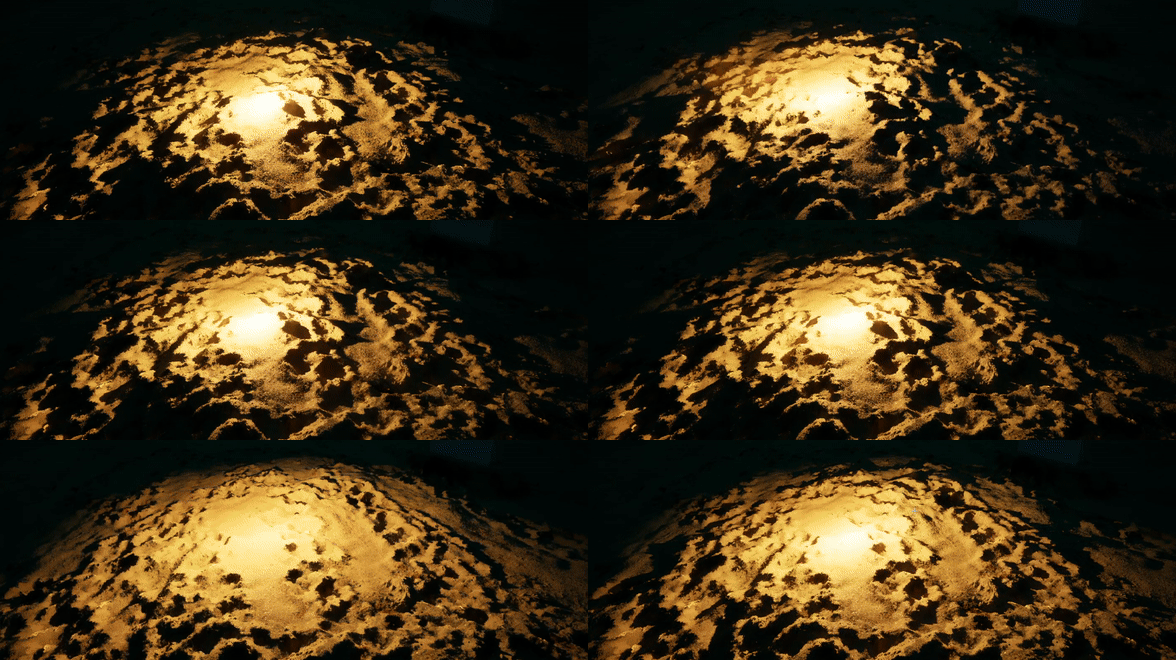
We’re still getting to grips with these new systems and it has required us to revisit some of our old environment work in order to best make use of the new tools. However, they’re already having a meaningful impact on how we approach world building. We’ll be sure to talk more about how this new terrain workflow benefits Ahoy both in the short term and further down the line.
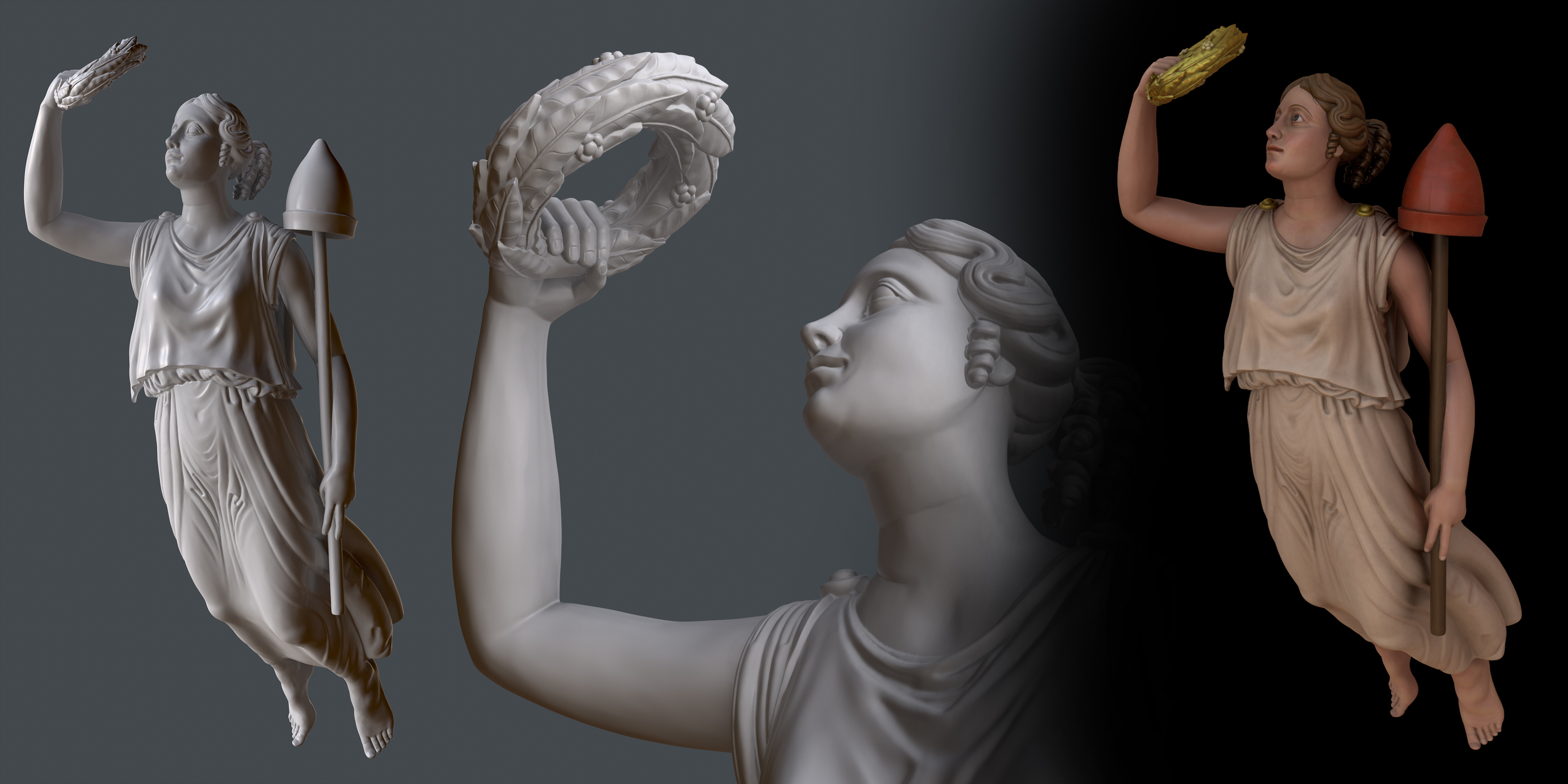
To wrap things up for this journal, we wanted to share a few small glimpses into what some of the team has been spending time on recently. With a team of over 20, there are often so many different areas we’re making progress at once.
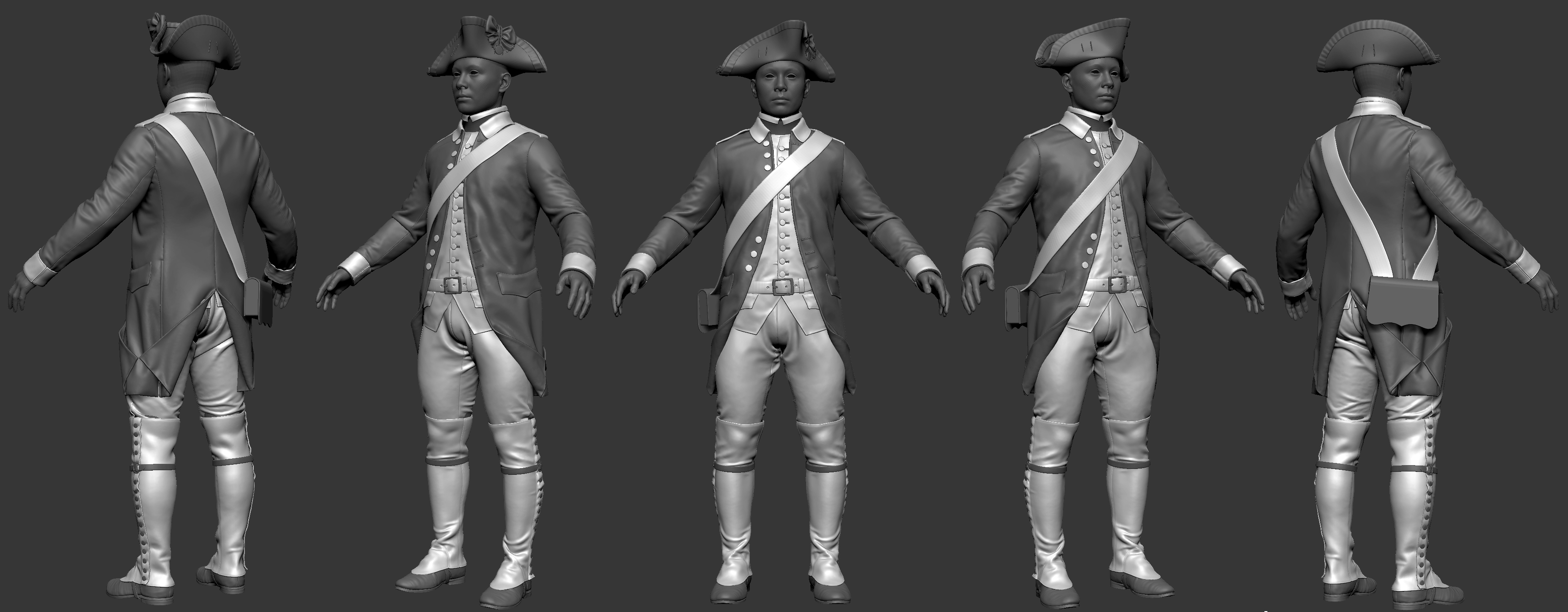
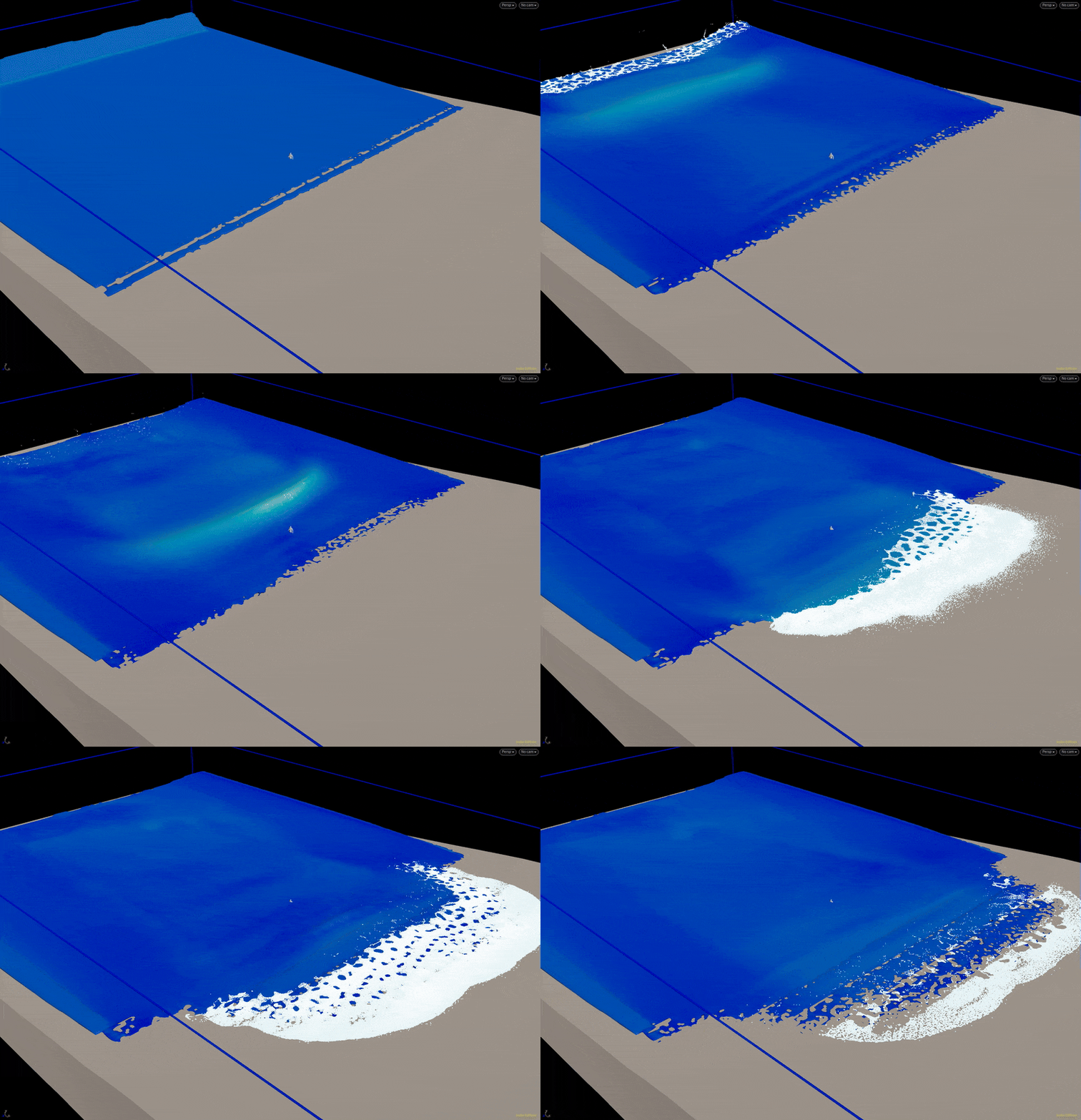

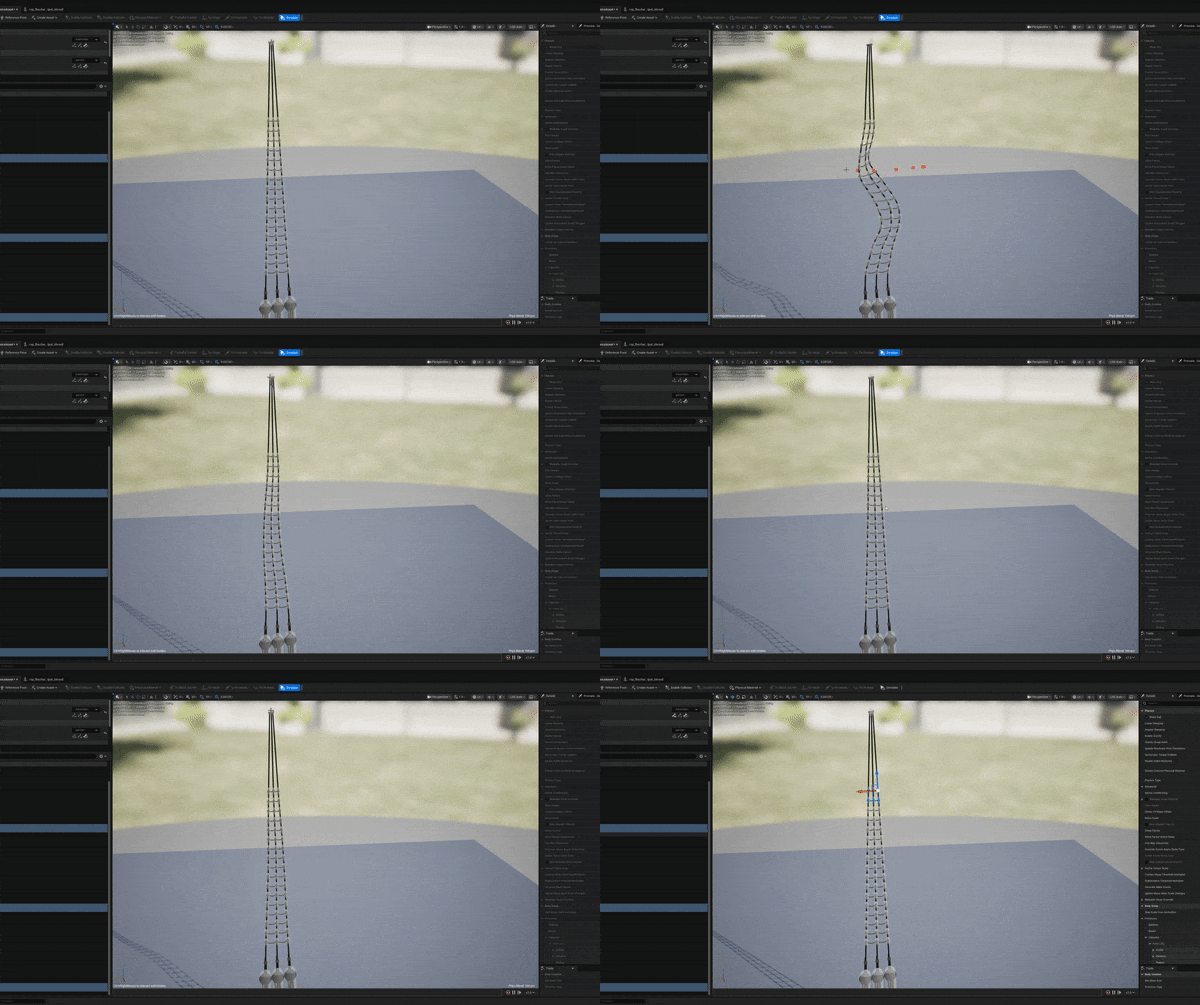
As always, not everything here is final, and some of it may change significantly before it ever reaches players. But this should give you a sense of where the team’s energy is currently focused and the kinds of problems we’re actively working through day to day.
Before closing out this journal, we wanted to take a moment to respond to a few more of your questions!
On Sea Trials content:
– Respondent, Journal Questionnaire.
- What exactly will Sea Trials consist of for players?
Sea Trials is designed to be a focused, hands-on introduction to Ahoy, both for players and for us as developers.

At its core, Sea Trials will offer small-scale multiplayer, hosted both by Capstan and the community. The experience takes place within a contained region (which we've yet to announce, but hints of the location are already out there!), allowing us to showcase and iterate on many of Ahoy’s systems without the added complexity of scaling everything to a full open world just yet.

The experience is entirely focused on sailing mechanics. This phase exists so we can gather meaningful feedback, observe how players interact with the ships, and continue tuning those systems over the following months.

Players will have access to a light level of character customisation, including choosing their appearance and selecting from a number of existing clothing sets. We're also intending to allow you to communicate via text and proximity voice chat with others on your server.

We're also hoping to include an introductory tutorial that teaches the fundamentals of seamanship, making Sea Trials more accessible to new players who might not have an existing understanding of nautical terminology or an understanding of how sailing works.

Beyond that, Sea Trials is intended to be a relaxed, low-pressure space for the community to spend time sailing together while we continue development toward Arena. As part of our Kickstarter stretch goals we also unlocked the addition of a Regatta racing system which will allow you to set up your own race conditions and compete with each other for the fastest times. From the very start and along the way, there will also be early versions of features that begin to blur the line into Arena and beyond.

There is a lot more that we're also keeping secret as well, but we really do think it'll be worth the wait!
On NPC Crew:
– Respondent, Journal Questionnaire.
- Will NPC crew be fully individual or function more as a unit?
NPC crew will go through several stages of iteration over the course of development.

In the early stages, particularly during Sea Trials, NPC crew will be minimal or largely absent. Sea Trials focuses on the smallest ships in Ahoy’s fleet, and our priority at this stage is ensuring that sailing mechanics feel right when operated by players themselves, without additional layers of automation or abstraction.

As we move from Sea Trials toward Arena, introducing NPC crew becomes a much higher priority. Supporting larger ships, complex manoeuvres, and naval combat requires robust systems for navigation, coordination, and combat behaviour, and a significant amount of work will go into these systems which will ultimately find their way into Sea Trials first.

In the final game, our intention is for NPC crew to be represented as individuals, but organised through functional groups. You may recognise familiar faces or names among your crew, but you won’t be expected to micromanage every individual sailor.

Looking further ahead into the Open World, we have ambitions for certain NPCs to become more individually significant. Over time, some characters may emerge as leaders, sources of superstition, or even catalysts for mutiny or unrest. These narrative-driven systems would come much later, but they reflect our broader goal of making the crew feel like a living, breathing part of life at sea rather than just a number on a screen.
On Griefing:
– Respondent, Journal Questionnaire.
- How will griefing be addressed? Will there be a way to remove disruptive players from ships?
As the captain of your own ship, you’ll have clear authority over who remains part of your crew. If a crew member is being disruptive, the captain will be able to remove them directly.

Situations where the captain themselves is the problem are naturally more difficult to resolve. The captain is, ultimately, the owner and commander of the ship, and as such it wouldn’t be appropriate for the crew to simply oust them outright. Instead, our approach would be to provide systems that surface crew sentiment to the captain, allowing them to understand how their actions are being perceived and hopefully make adjustments before problems escalate.

Where a captain fails to act on genuinely disruptive behaviour from another crew member, we intend to support crew-side solutions, such as voting systems that allow players to collectively remove a griefing individual from the crew. These systems would be designed to protect the experience without undermining the captain’s overall authority.

More broadly, it’s important to us that Ahoy supports a range of playstyles. Some voyages will be tightly coordinated and serious, others more relaxed or roleplay-focused. To support this, we plan to allow captains to tag their voyages based on intent, whether that’s combat-focused, roleplay-oriented, casual sailing, or simply having a bit of fun. Clear expectations go a long way toward preventing conflict before it starts.

Ultimately, our goal is to give captains the tools they need to manage their crews effectively.
On Sea Trials Longevity:
– Respondent, Journal Questionnaire.
- Will Sea Trials remain available after Arena releases?
Yes. Sea Trials will continue to exist after Arena launches and will effectively become the Free Sailing mode within Arena.

This mode is intended to preserve the relaxed nature of Sea Trials. It will allow players to sail without pressure, set up Regatta races, spend time with friends in the same battle maps used for the other Arena modes. Whether that's for some light roleplay, or to practice manoeuvres together before heading into more structured battles.

Sea Trials will continue to evolve alongside the other Arena modes, rather than being left behind. When new ships or features are introduced to Ahoy, they may appear in Sea Trials first as a way for us to test balance and performance in a lower-pressure environment before rolling them into combat-focused modes.
On Gameplay Footage:
– Respondent, Journal Questionnaire.
- When will we see gameplay?
Definitely soon! We’re actively working to prepare gameplay footage for the community, and it remains one of our top priorities. As a team, we tend to be perfectionists, and while we spoke during the Kickstarter campaign about prioritising quality over speed, it’s fair to say we didn’t fully explain what that would look like in practice.

The progress we’re making across the project is strong, but when it comes to showing gameplay, first impressions matter a great deal to us. While we’ve shared pieces of art or tech in these journals, we want the first proper look at Sea Trials to reflect the experience as a whole rather than a collection of disconnected elements. Often that aspect of disconnect remains until quite late in the development process, and we're hoping we can showcase Sea Trials with a degree of polish.

We understand that for some people, seeing gameplay is paramount before feeling confident in the project. That’s completely reasonable, and we don’t expect words alone to replace footage. What we can say is that showing gameplay is very much at the forefront for us at the moment, and we’re working toward presenting it in a way that does the experience justice.

When we’re ready to show it, we’re confident it will be worth the wait.
Submit your questions:
https://forms.gle/1w9MRgU3qrvTNkqn7
Until next time, good day!
Sincerely your most humble servant,
Tyler – Project Lead
Our Journal updates are often discussed at length in the official Ahoy Discord server. Whether you have questions about the topics covered in this update, or you would like to leave your own feedback or suggestions, please join our Discord server to discuss!
Join the Discord